A Deep Dive into Levi's 501: 'Ring-Spun' vs. 'Open-End' Denim
For dedicated collectors and enthusiasts of Levi's 501 jeans, a key point of fascination and debate revolves around the distinction between 'Ring-Spun' denim and 'Open-End' denim. This differentiation is a crucial factor in determining the value and historical significance of a pair of Levi's. Ring-spun denim, the original fabric used in earlier production years, commands a higher price than open-end denim, which was introduced later.
So, how can you tell these two apart? Here's a breakdown of the key characteristics and historical context that define each type of denim.
1. The Red Tab: 'Big E' vs. 'Little e'
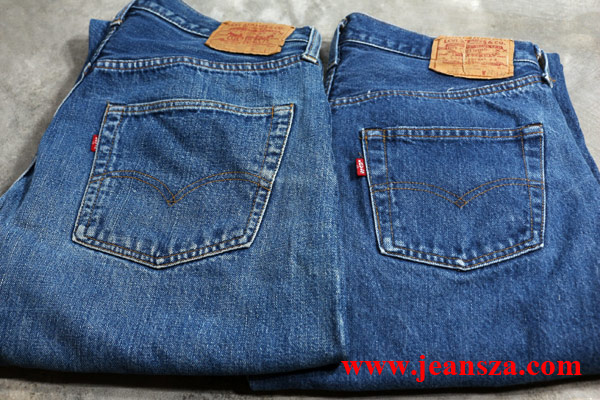
The iconic Red Tab is often the first clue to a jean's age and fabric type.
-
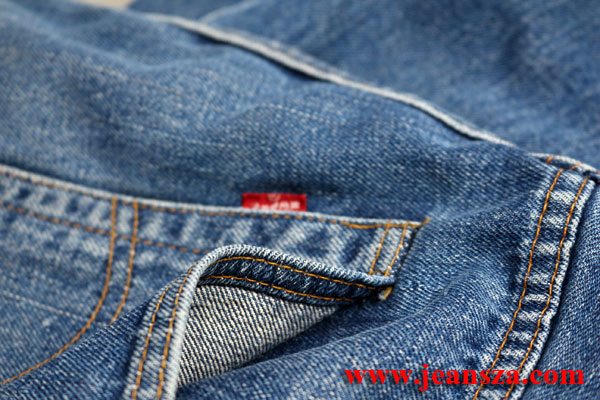
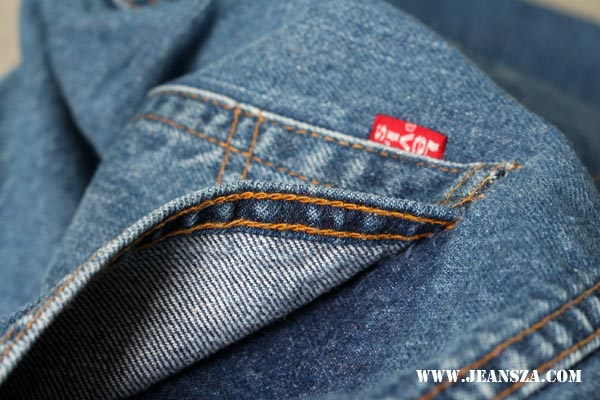
'Big E' (LEVI'S): From 1936 to 1970, the Red Tab on Levi's 501 jeans featured the word "LEVI'S" in all capital letters. Jeans from this era are exclusively made from ring-spun denim, making them highly sought after and valuable.
-
'Little e' (Levi's): Starting in 1971, Levi's changed the Red Tab to use a lowercase "e," signifying the beginning of a new production era. While most jeans with the 'little e' tab are made from open-end denim, there's a crucial transitional period. Jeans produced from 1971 to 1974, despite having the 'little e' tab, still used the traditional ring-spun fabric.
2. The Rear Pocket Stitching
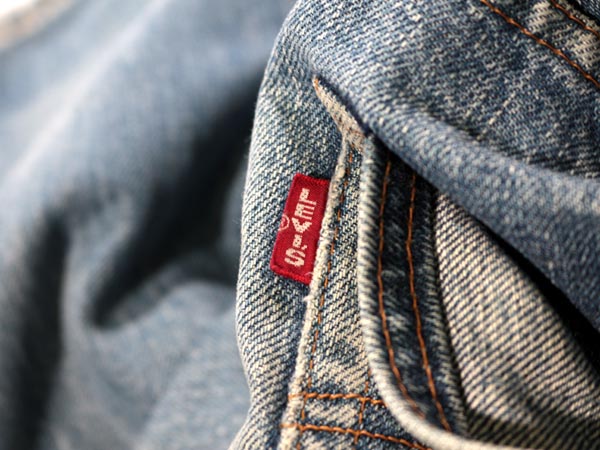
Looking at the stitching on the rear pockets can provide definitive proof of a jean's fabric type, especially for those with the 'little e' tab.
-
Single Stitching: This method, created with a single, continuous thread, was the standard for the entire 'Big E' era (up to 1970). It was also used on 'little e' jeans from 1971 to 1974. If you find a 'little e' pair with single stitching, it's a sure sign that you're looking at ring-spun denim.
-
Chain Stitching: This technique requires more modern machinery and became the more common stitching style in later years. It is predominantly found on 'open-end' jeans. However, there's a brief exception: some ring-spun denim pairs produced between 1975 and 1977 also feature chain stitching.
3. The Color of the Front Pocket Bag Thread
A small but telling detail is the color of the thread used to sew the inner front pocket bags.
-
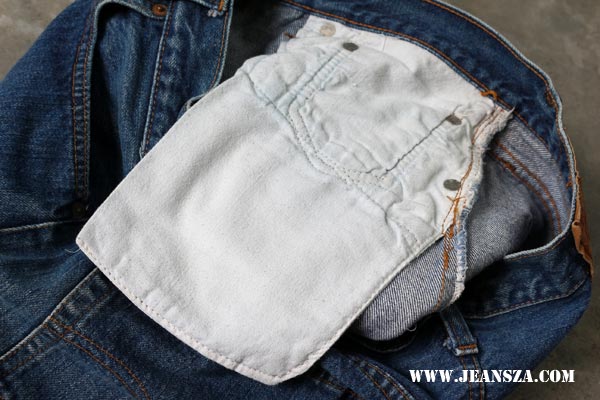
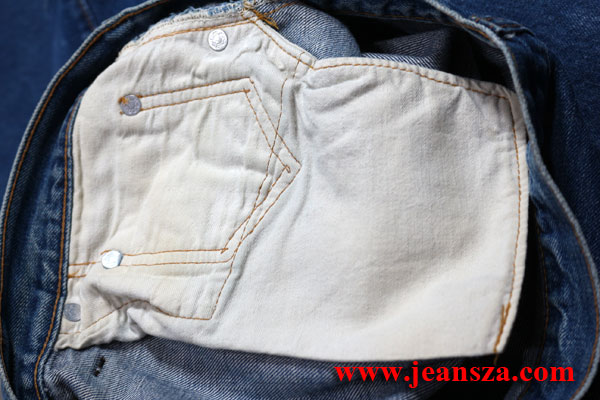
Ring-Spun Denim: These jeans typically feature brown thread on the inside pocket bags.
-
Open-End Denim: The pockets on these jeans are most often sewn with white thread.
4. The Unique Fading Patterns
The most defining difference, and the origin of the names, lies in how the two denim types fade over time.
-
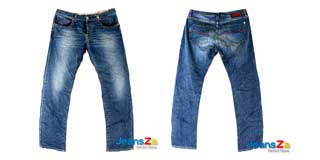
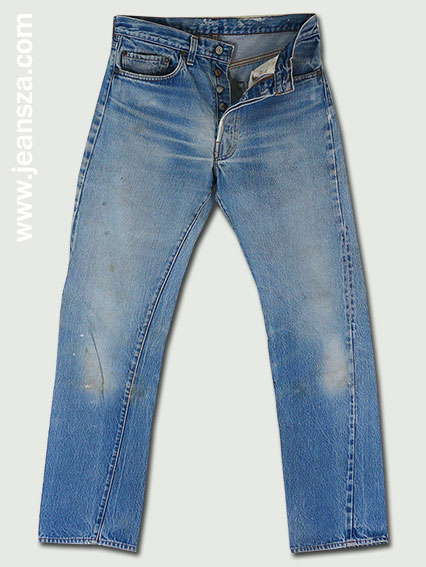
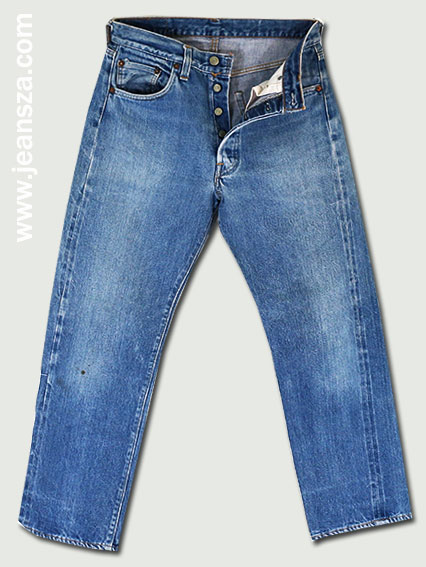
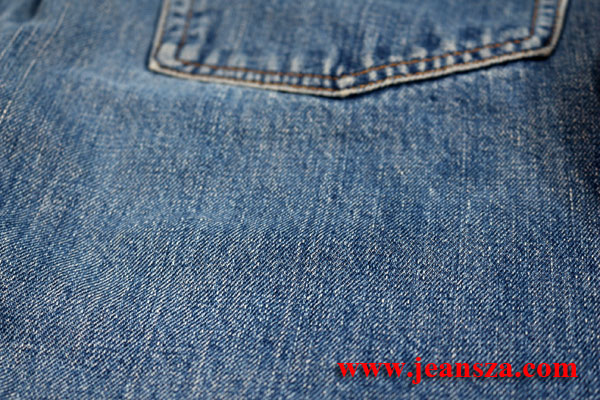
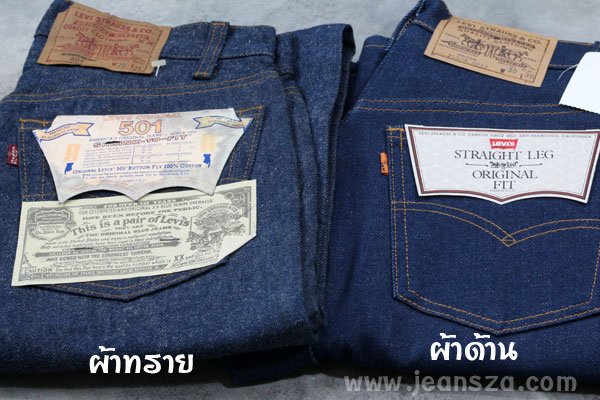
Ring-Spun Denim: The yarn used for this denim is spun in a traditional manner, resulting in a fabric with slightly irregular, textured fibers. When the denim fades, it creates distinct, sharp vertical lines and streaks. This gives the jeans a rugged, high-contrast look that is highly prized by collectors.
-
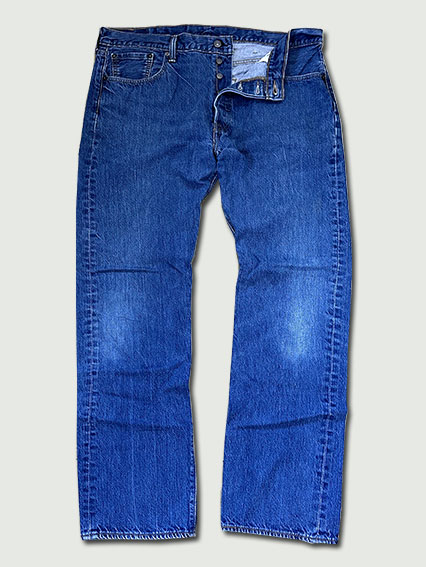
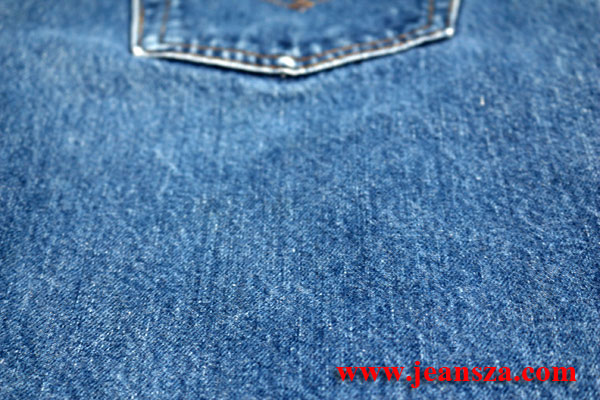
Open-End Denim: This denim is made with a more modern spinning technology, producing a smoother, more uniform yarn. As a result, the fading on open-end denim is characterized by a finer, more granular pattern, often described as resembling tiny grains of sand. This gives the jeans a softer, more uniform look.
The transition from ring-spun to open-end denim was a significant change in Levi's production history, reflecting advancements in textile manufacturing. It occurred primarily between 1977 and 1980, before the brand moved on to the "overlock stitch" era. Understanding these subtle but critical differences is essential for accurately assessing the authenticity and value of any pair of Levi's 501s.