The Dawn of Overlock Stitching: The Birth of the First Levi's 501s with Overlock Seams
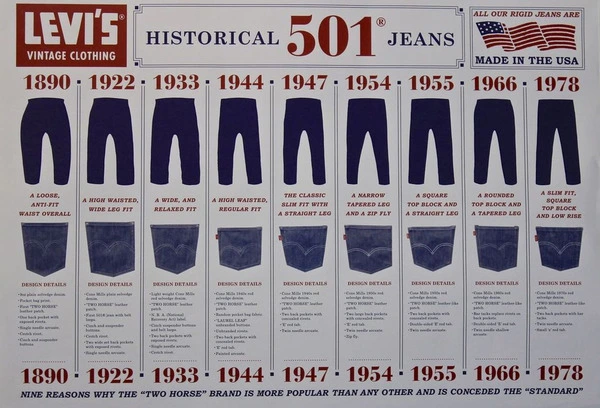
In the world of Levi's collecting, the 501 model has always symbolized the highest quality. Since its first code appeared around 1890, the jeans were exclusively made from fabric woven on narrow looms, giving them their distinctive "red selvedge" edge—a hallmark of superior denim quality.
However, by the 1960s, weaving technology had advanced significantly. New, industrial looms could weave fabric nearly twice as wide as the old 30-inch limit. This allowed Levi's to produce jeans more efficiently and at a lower cost. Other models began to feature simple "overlock stitching" instead of the selvedge seam.
The Birth of the Overlock 501
While other models embraced overlock stitching, the flagship Levi's 501, with its reputation for XX-level quality, continued to be made with red selvedge denim from the old looms. But as those machines aged and became expensive to maintain, Levi's was forced to introduce modern looms for the 501 as well. This created a fascinating mix: jeans made on old machines were still selvedge, while those from the new looms had an overlock finish. This marks the birth of the first Levi's 501s with overlock stitching.
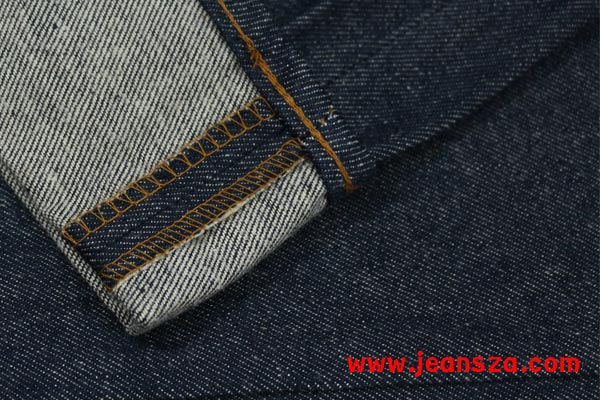
The reason is that the machine used to selvedge. It is an old fashioned machine weaving a narrow face. When to produce jeans. It is not enough to sell. And during this year, the new machinery. Can weave wider. Levi's halted production of "Levi's selvedge" and turned out to be "Levi's 501 non-selvedge".
The "501 Black Sack" Era
The arrival of the overlock 501 came with another key detail: "black sack" stitching, referring to the black thread used in the zig-zag stitch at the back pocket corners. Based on collected data, the earliest overlock 501 found dates to December 1979, with all other details remaining the same as the selvedge version. Collectors began to call these jeans the "501 Black Sack."
The "501 Black Sack" was produced alongside the regular selvedge models for a limited time. Its production run ended when the back pocket stitching changed from black to orange. The earliest pair with orange sack stitching was found in May 1983. While this transition didn't happen all at once in every factory, it was confined to a narrow window between May and September 1983.
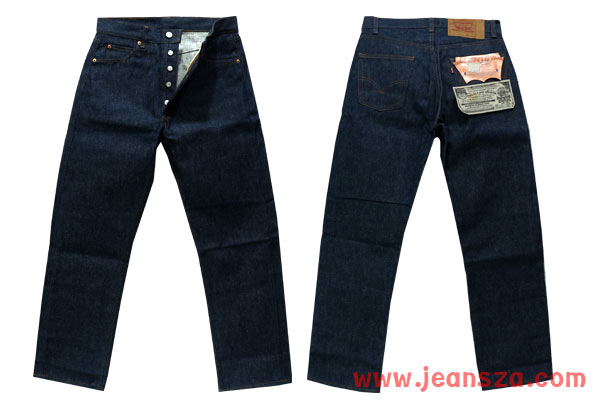
From the above picture, you see this seam, called Levi's 501 non-selvedge, which in 1983 will use brown yarn to the fabric non-selvedge. The two sides are not the non-selvedge in the picture.
Jeans Levi's 501, 1983, of course, is a standard cylinder legs straight, but will fit into the wearer. The back pocket is small. This fabric is Levi's fabric Shrink to fit. Shrinkage after washing approximately 10%
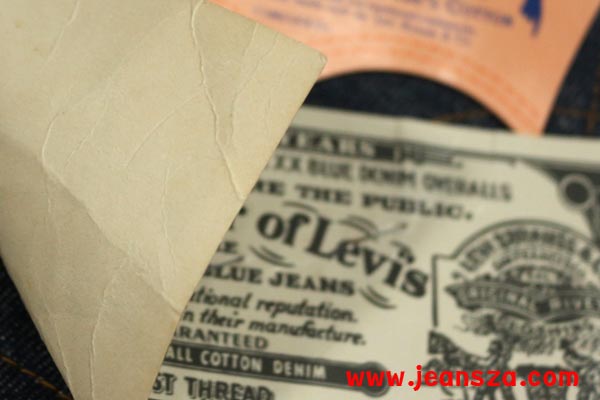
Paper tag guarantee The cardboard is light yellow. Plain paper tag.
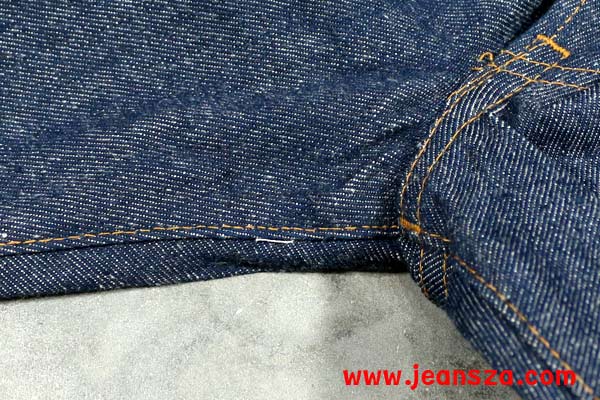
For sewing straight in the legs of the pants. It is sewn with a single brown thread like Jeans Levi's selvedge, which Jeans Levi's 501 non-selvedge in the coming days, will sew the seams in pairs. The blue thread again.
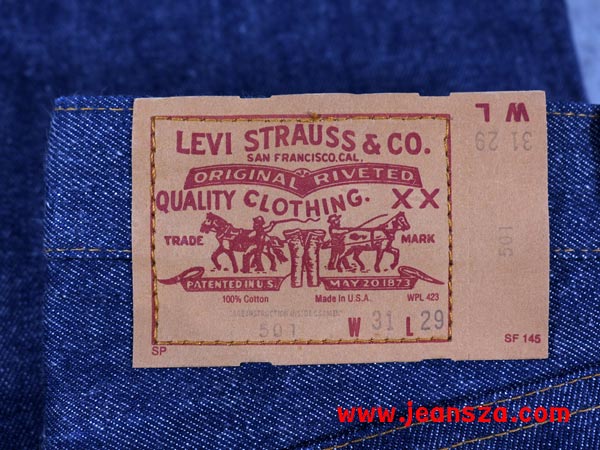
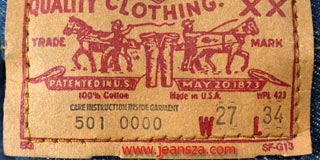
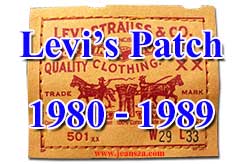
The Levi's 501 Jeans non-selvedge branded glove box is printed in black ink. Care instruction inside garment is still a form of Levi's selvedge Jeans.
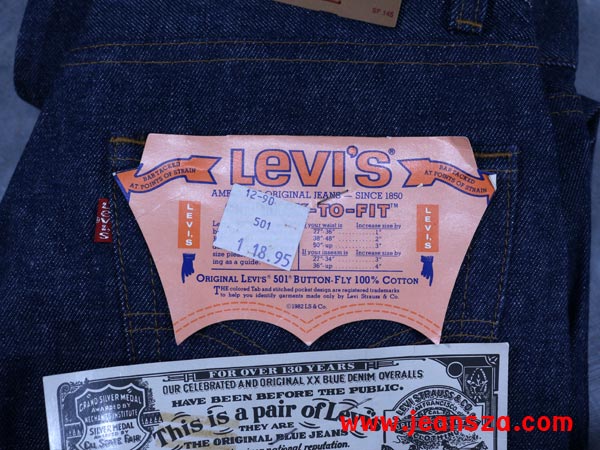
Paper label guarantee And paper labels identify the elements. The jeans are still attached to the back pocket. Along with the Red Tab.
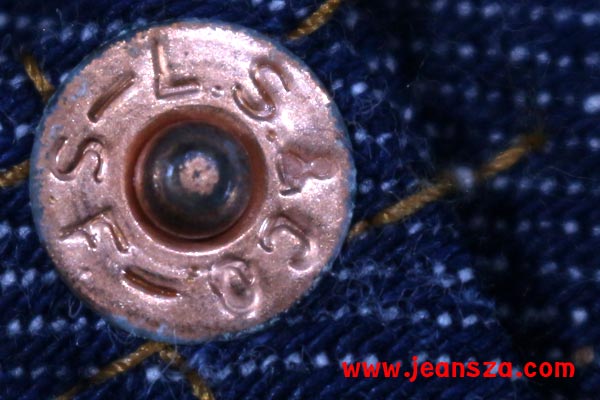
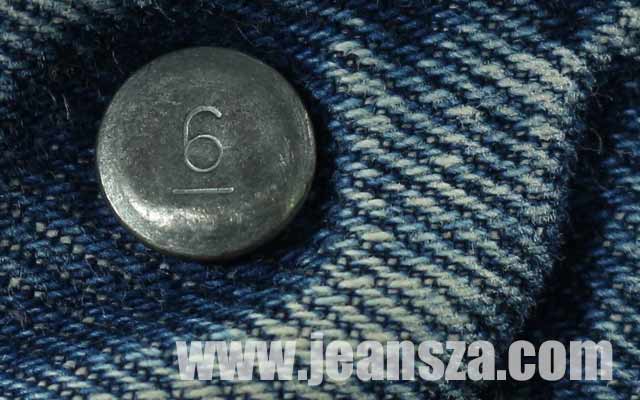
Rivet on the front is copper. Acronym L.S. & C.O.-S.F.
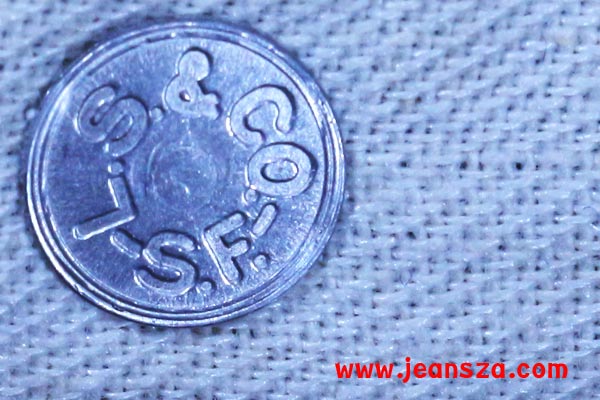
Stainless steel rivets made of aluminum. The anchor of the axle remains firmly anchored.
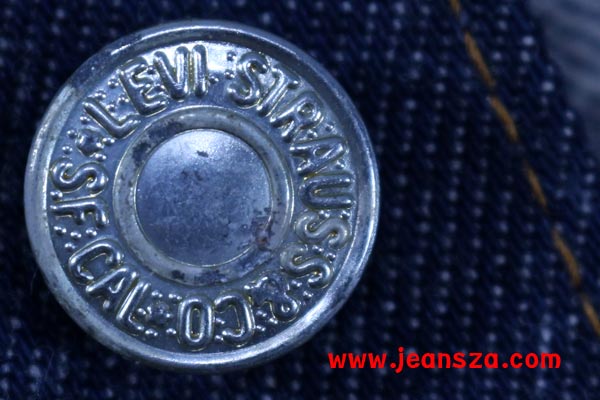
Button Fly The button is silver metal.
Top buttons It is bigger than any other grain. Is a silver plated metal With age. The coating to peel off some time.
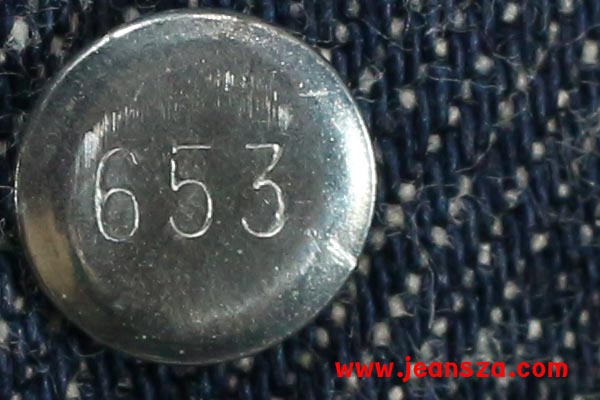
The number that is stamped on the back of the three studs is 653, which identifies the location of the jeans. In the USA This number must match the care tag. In the pants.
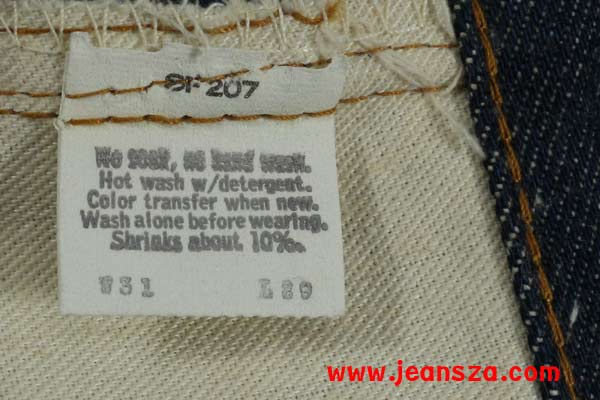
The Care Instruction Caretick will have the key number listed as 501 as the model number.
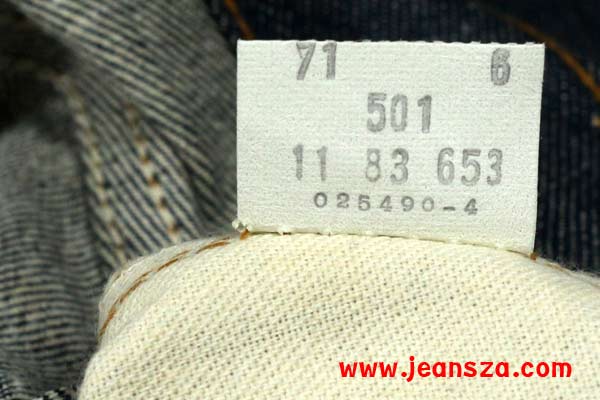
No. 11 is produced in 11 months, which is the end of the year. Levi's fabric is reddish from the stock. So we started to wear cloth. This is the first batch this month.
No. 83 was produced in 1983. This year, there are also red jeans produced. But at the end of the year, some factories began to produce jeans. Levi's 501 jeans.
Number 653 is a production location code in the United States. This must match the number that is pegged behind the button.
No other sand is offline. Unfortunately with.
The image on the other side of the label will indicate how to wash. And the properties of the fabric to shrink about 10%. The size of the W31 L29 must match with the gasket on the back.
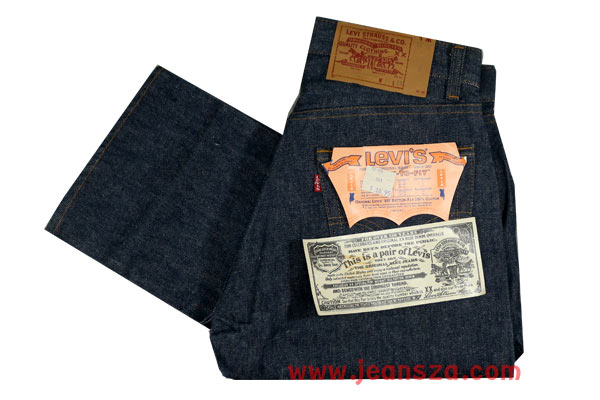
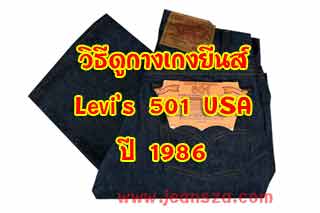
Levi's 501 Jeans, 1983 Levi's 501 Jeans, produced at the time of the selvedge. Too So, the tailoring elements are loosely coupled with Levi's selvedge produced this year. I do not have a selvedge. And more importantly, it is. There is still evidence. Denim jeans were manufactured in 1983 in some factories that used to sew bar tag. With Black Swimsuit Same as selvedge. The production line was stopped in 1983.
A Summary of the Transition
These changes allow collectors to accurately date their 501s:
-
Before December 1979: All 501s were red selvedge.
-
December 1979 - September 1983: Both selvedge and overlock 501s were produced. The black sack stitching confirms a pair is from this era.
-
After September 1983: All 501s were overlock, and the back pocket stitching was orange, officially marking the start of the "501 Care Tag" era.
The decision to switch from selvedge to overlock was not just about cutting costs; it reflected the changing industrial landscape and a pivotal moment where Levi's began its transformation from a traditional workwear brand into a global fashion icon.