Why Some Used Pairs Cost a Fortune While New Ones are "Buy 1 Get 1 Free"
In the world of fashion, few items carry as much historical weight as a pair of Levi’s. To the uninitiated, the secondhand market can be baffling. Why would someone pay $500—or even $5,000—for a pair of beat-up, shredded jeans in an online vintage group, when they could walk into a mall and buy a brand-new pair for $60?
The answer lies in the distinction between "clothing" and "collectibles." Levi’s aren't just pants; they are wearable history. To help you navigate this denim universe, we’ve categorized Levi’s into four distinct groups.
1. Levi’s Vintage: The "Holy Grail" (Pre-1983)
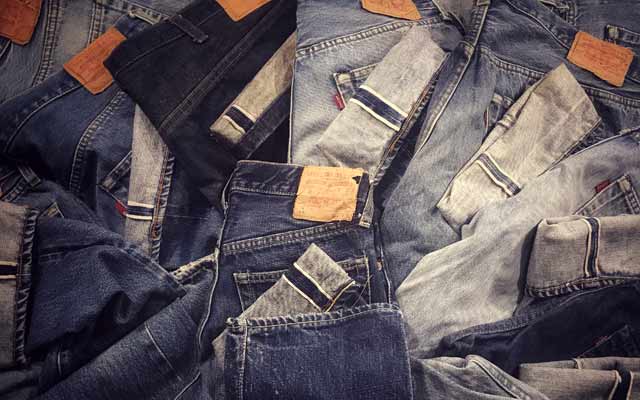
These are the "Antiques" of the denim world. This category refers to jeans manufactured in the USA from the brand's inception in 1873 up until approximately 1983.
Why the 1983 Cutoff?
The year 1983 marked a tectonic shift in production. Before this, Levi’s used old-fashioned shuttle looms. These machines produced narrow fabric strips with finished edges known as "Selvedge" (often identified by the iconic "Red Line" inside the outseam).
After 1983, the company transitioned to high-speed projectile looms to meet mass-market demand. While more efficient, these modern machines lost the unique "slubby" texture and the natural aging (fading) characteristics that vintage collectors crave.
High-Value Indicators:
-
The "Big E": If the red tab on the back pocket features LEVI’S in all caps, it was made before 1971. These are high-tier collectibles.
-
The "Small e" Selvedge: Jeans from 1971–1983 use the lowercase "Levi’s" but still feature the Red Line selvedge. These are the most popular entry points for serious vintage collectors.
-
Historical Anomalies: Take the "Nevada 1880s" Levi’s found in a desert mine. Because of its rarity and age, it once fetched over $42,000 at auction. Even "thrashed" vintage pairs hold value because their wear patterns (whiskers and honeycombs) cannot be replicated by machines.
2. Levi’s Vintage Clothing (LVC): The Professional Reproductions
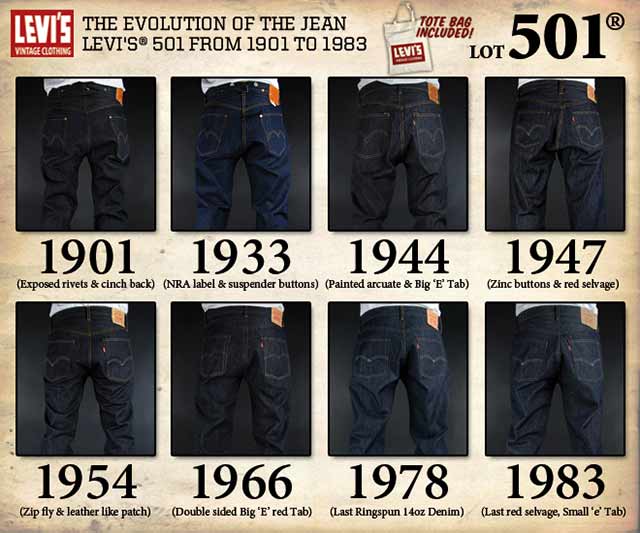
As original vintage pairs became rarer and more expensive, Levi’s launched the LVC (Levi’s Vintage Clothing) line to satisfy enthusiasts who wanted the vintage look without the vintage "smell" or fragile fabric.
What makes LVC special?
LVC isn't just a "retro style." It is a stitch-for-stitch recreation of specific years from the Levi’s archives.
-
Authentic Details: They use the same heavy-duty denim, original branding, and period-correct hardware (buttons, rivets, and leather patches).
-
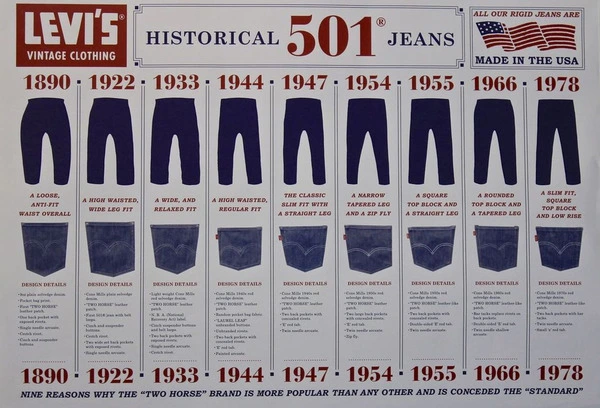
Iconic Years: Popular models include the 1937 (with the cinch back), the 1944 (the WWII "S501xx" with painted-on arcuate to save thread for the war effort), and the 1947 (widely considered the perfect slim-straight fit).
-
Origin: Most LVC pieces are made in Japan or (formerly) the USA, utilizing premium Cone Mills denim or high-end Japanese selvedge.
Best for: The purist who loves history and wants to "break in" their own pair of high-quality raw denim. Expect to pay between $200 and $400.
3. Levi’s Made in USA: The American Soul (1984–2003)
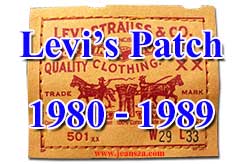
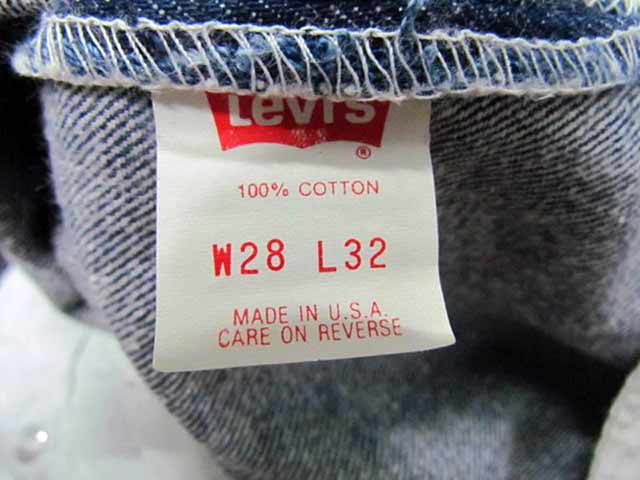
This group covers the "Regular Production" line made in US factories after the selvedge era ended but before Levi’s moved almost all production overseas.
The Appeal:
While these are usually "non-selvedge" (overlocked seams), they represent the last era of American craftsmanship for the masses.
-
The San Francisco Legacy: Pairs stamped with factory codes like 555 (the famous Valencia Street factory) are highly prized.
-
Durability: The denim used in the 90s "Made in USA" 501s is notoriously tough and ages beautifully into a "hairy" light blue that modern mall jeans struggle to emulate.
-
Value: These are the "hidden gems." You can often find them for $50–$150. They are a fantastic investment because their value is steadily rising as the supply of "clean" American-made pairs dwindles.
4. Licensed Production: The Modern Daily Driver
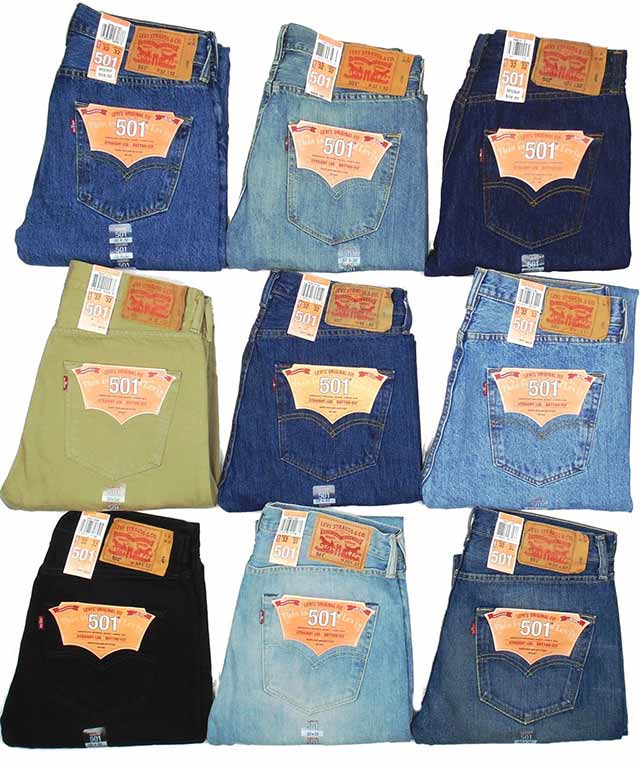
These are the jeans you find in your local department store or official retail outlets today. They are produced globally in countries like Vietnam, Mexico, Egypt, Pakistan, and Thailand.
Key Characteristics:
-
Variety and Comfort: This line offers the widest range of fits (501, 511 Slim, 512 Taper) and modern fabrics like Levi’s Flex, which includes stretch for all-day comfort.
-
Price Point: Most affordable ($40–$90). With frequent sales or "Buy 1 Get 1" deals, they offer excellent utility for the price.
-
The "Japan" Exception: Within the global line, the "Made in Japan" (MIJ) series stands out. Japanese denim is world-renowned for its dyeing techniques. Even though it's "modern," an MIJ pair often rivals LVC in quality and retains its resale value much better than a standard pair.
Quick Summary Table
| Category | Era / Origin | Key Feature | Price Range | Best For |
| 1. Vintage | Pre-1983 (USA) | Selvedge / Big E | $150 - $10,000+ | Serious Investors |
| 2. LVC | Repro (USA/Japan) | Historical Accuracy | $200 - $450 | Heritage Lovers |
| 3. Made in USA | 1984 - 2003 (USA) | US Craftsmanship | $50 - $150 | Entry-level Collectors |
| 4. Global/Licensed | Current (Global) | Modern Fit / Stretch | $40 - $90 | Daily Wear / Utility |
Pro-Tips for the Aspiring Buyer
-
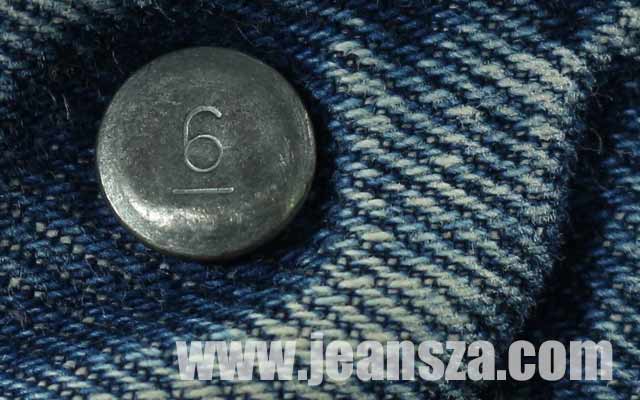
Check the Back of the Button: Always look for the 3 or 4-digit factory code stamped on the back of the top button. It tells you where the jeans were born.
-
The "Shrink-to-Fit" Factor: If you buy Raw/Unwashed denim (common in Group 1 and 2), remember they will shrink about 1-2 inches in the waist and 2-3 inches in length after the first wash.
-
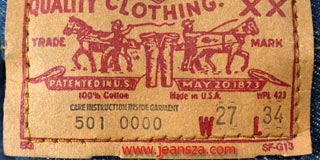
The "Red Tab" Test: Look for clean, centered embroidery. On vintage pairs, the "V" in Levi's can sometimes tell you the exact era (uneven vs. even thickness).
Which one is right for you?
If you just need a reliable pair of pants for work, stick to Group 4—they are comfortable and replaceable. However, if you want a pair of jeans that tells a story, holds its value, and develops a "soul" as you wear it, look toward Groups 2 and 3. And if you’re looking to own a piece of the American Dream, start hunting for Group 1.